I’m an award-winning art director and multi-media designer based in Austin, Texas. My work has appeared in Times Square, the pages of The Washington Post and on Fox News, but I’m equally focused on creating for the niche audiences that shape subcultures in motorsports, Brazilian jiu jitsu, and tech.
I move between video art, print production, and directing, using each medium as a way to sharpen a brand’s voice and expand its reach. For me, design isn’t surface, it’s strategy, execution and presence. My goal is always impact.
I’ve built campaigns and content that live on global stages and within underground circles alike. The common thread is work that carries weight, edge, and clarity. visuals that don’t just represent a brand but define how it’s remembered.
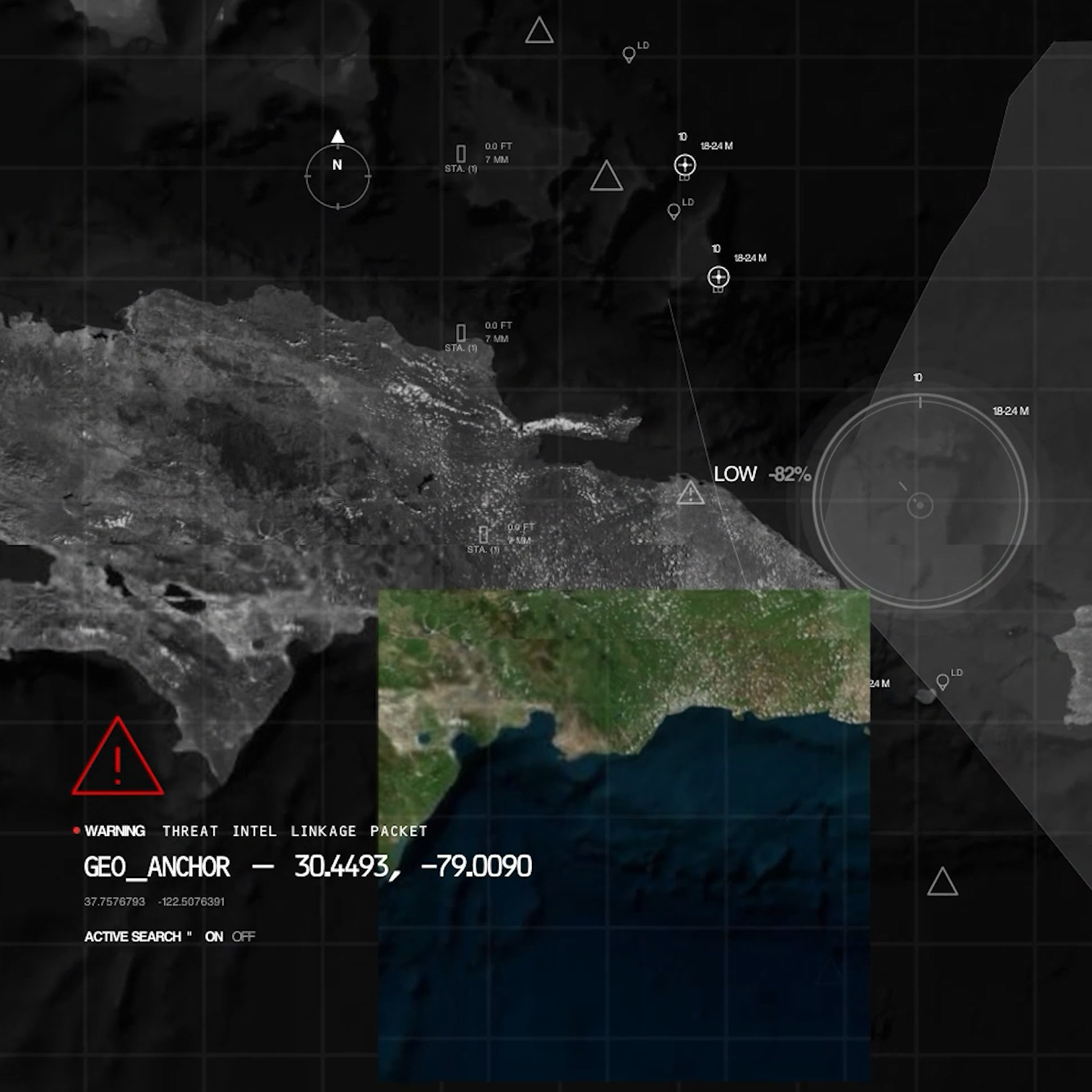
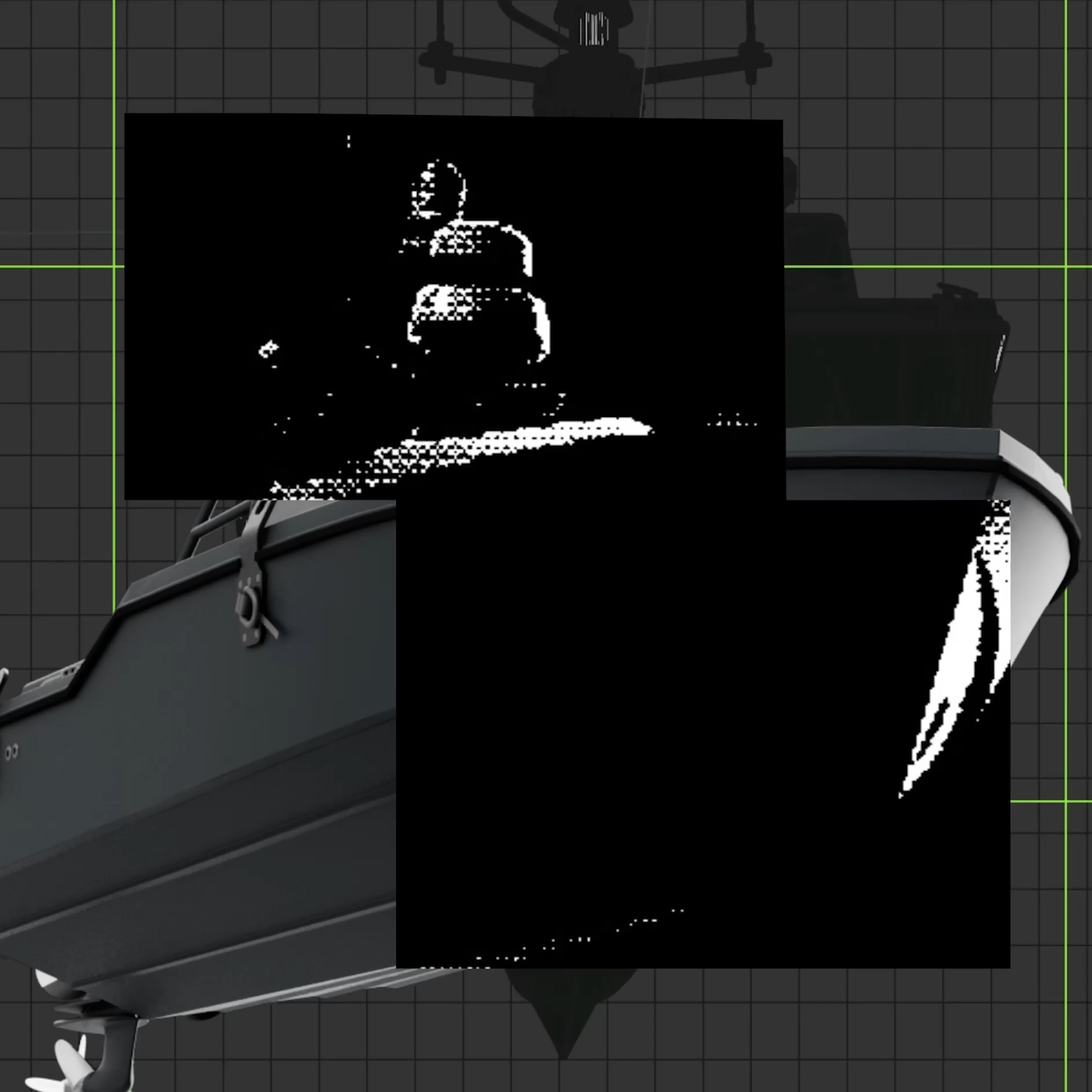
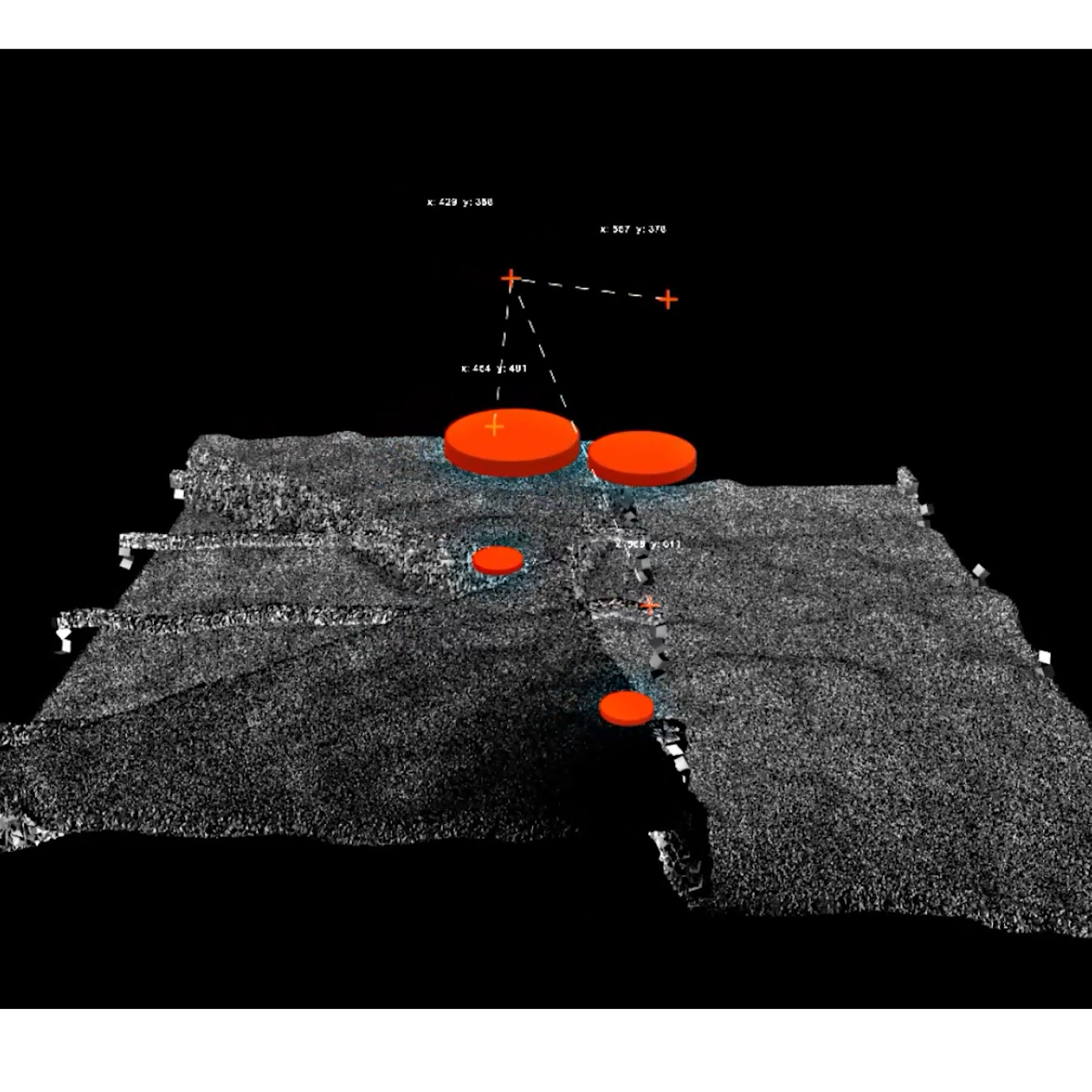
At Saronic Technologies, I had the opportunity to bring a long-held ambition into focus: applying my creative skill set to the defense space. I’ve always been drawn to the challenge of designing for systems and industries where clarity, precision, and innovation are paramount. At Saronic, I became instrumental in building the company’s motion identity, translating complex defense-tech narratives into visuals that carried power, intent, and momentum.
My work defined how Saronic’s story moved, literally. From conceptual animations that illustrated the company’s breakthroughs to motion-driven campaigns that showcased its role as the biggest disruptor in defense-tech, I pushed the brand’s visual language into new territory. Every project was about establishing presence in a space where credibility and authority mean everything.
By shaping this motion identity, I helped elevate Saronic beyond being a cutting-edge company in defense-tech to becoming a recognizable force with a visual voice. It was the kind of work I’ve always wanted to do:where creativity meets impact, and design holds the pace of innovation.
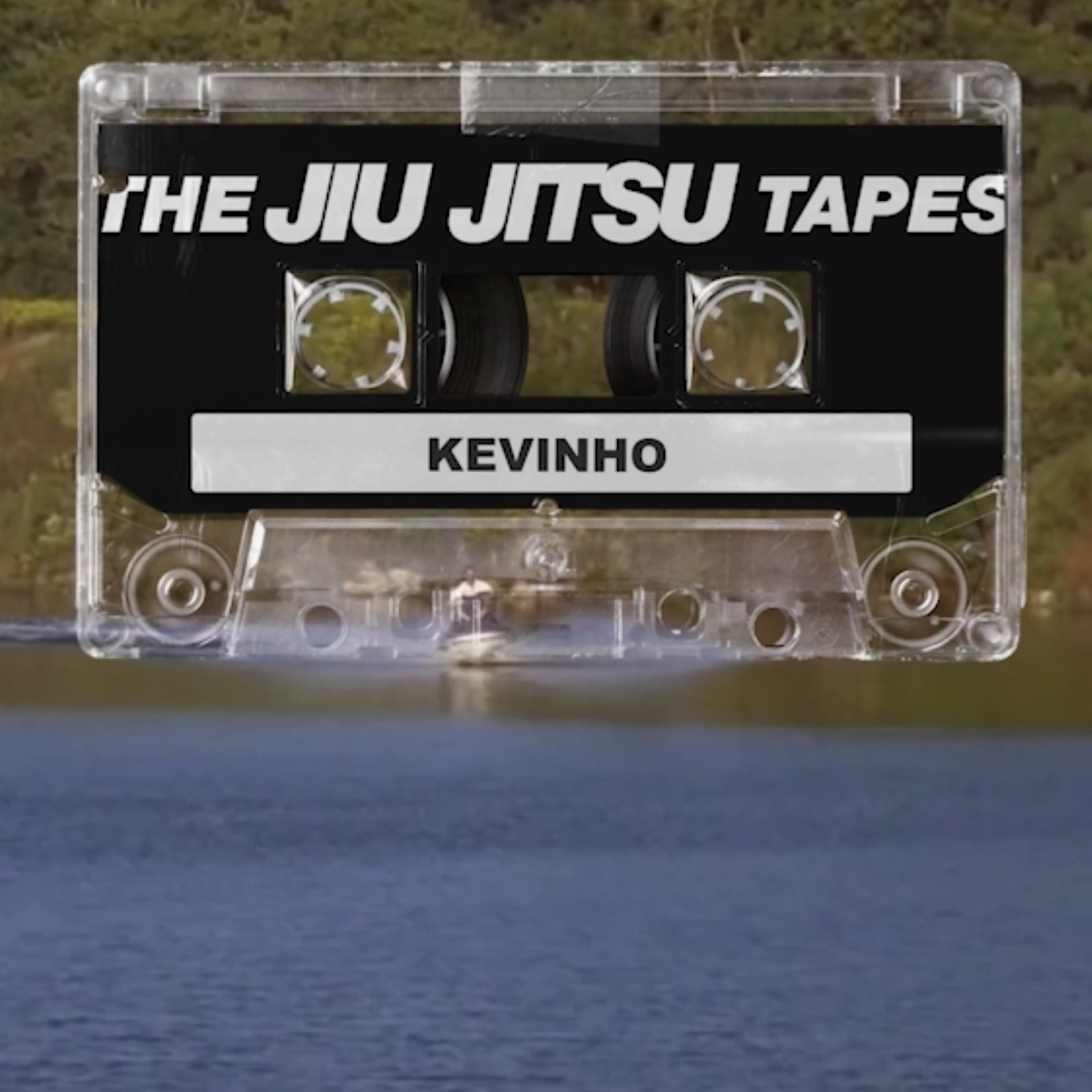
The idea for Jiu Jitsu Tapes was never a formal brief. It was something organically invented with a longtime creative partner, born out of our shared love for the gym life. We saw a gap in the culture of jiu jitsu online: content existed, but little that captured the raw texture, humor, and community that defines the art at its core.
What started as an experiment quickly became a movement.
Through a mix of archival aesthetics, sharp editing, and cultural storytelling, we built an interactive experience that resonated far beyond expectation. The series exploded on Instagram, amassing hundreds of millions of impressions and carving out an identity that wasn’t just about Shoyoroll—it became a hub where the entire jiu jitsu community gathered around the brand.
Jiu Jitsu Tapes redefined how the culture engages with itself online. It blurred the line between brand content and cultural artifact, proving that when you create with authenticity, the community doesn’t just watch, they claim it as their own.
The success of Jiu Jitsu Tapes showed me how authenticity drives culture. By speaking directly to a community’s DNA, we created something that people didn’t just consume, but embraced as part of their identity.
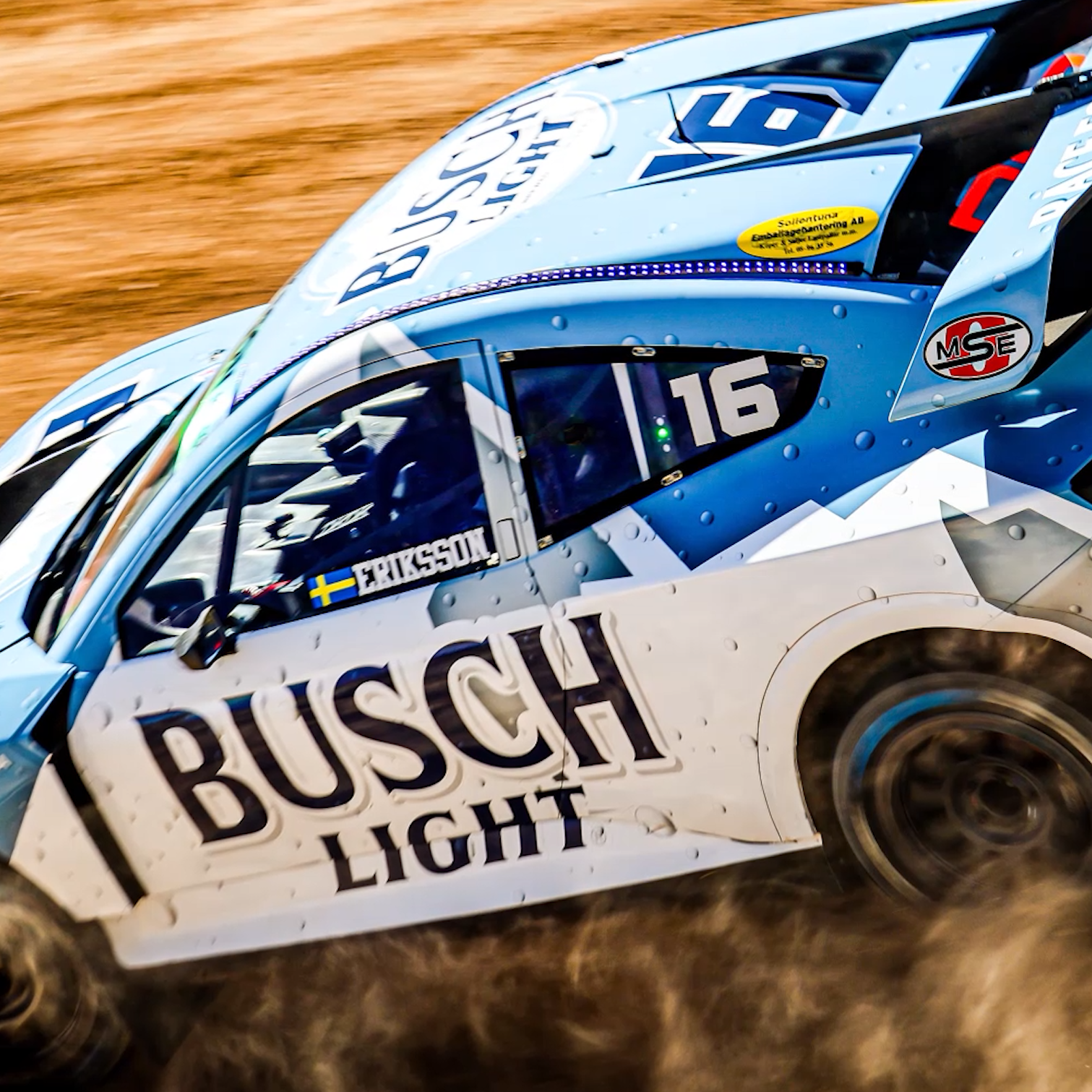
During the 2024 Nitrocross Season, I had the chance to design a Busch Light rally car livery for a Nitrocross event. An unexpected but perfect collision of passion and craft. Rally has been something I’ve followed and enjoyed since I was young, so stepping into that space as a designer carried a personal charge.
The project also tapped into a distant but formative part of my background: years earlier, when I was first getting started, I worked in a sign shop. There, I learned not just the technical aspects of vinyl production, but the tactile realities of how design wraps, bends, and moves on a vehicle. That experience came full circle in this project, shaping how I approached the livery with both creativity and practical understanding.
For me, it was also proof of how early experiences in design keep paying forward, and how passion projects often lead to the most fun and rewarding work.
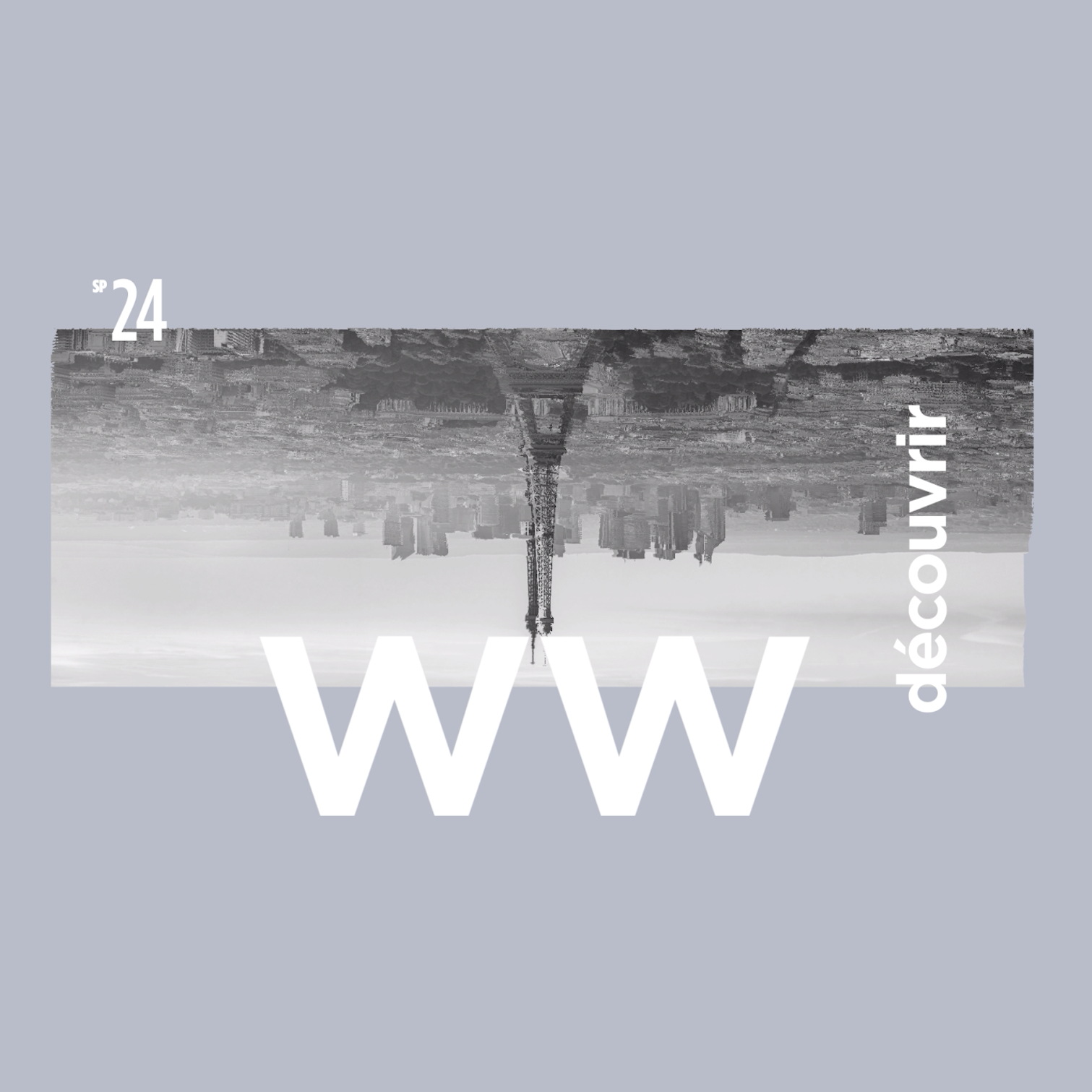
The Spring/Summer 2024 campaign for JD Sports began in a meeting where I shared a set of explorations inspired by the work of Marc Jacobs. What started as sketches and moodboards quickly became a central inspiration for the entire creative team, sparking the concept that carried through the full campaign.
I led the campaign in shaping the its visual identity: Directing, overseeing design and ensuring consistency across every medium. I also drove the print design rollout for more than 200 stores nationwide, building an in-store presence that matched the campaign’s energy.
In parallel, I crafted a series of unique, frenetic motion experiences designed to capture the feeling of world travel: fast, immersive, and full of momentum. These digital elements elevated the campaign beyond traditional fashion retail into a more dynamic, cultural experience.
The result was one of JD Sports’ boldest seasonal campaigns to date: a project born from inspiration, scaled through leadership, and delivered with a visual intensity that matched the pace of global culture.
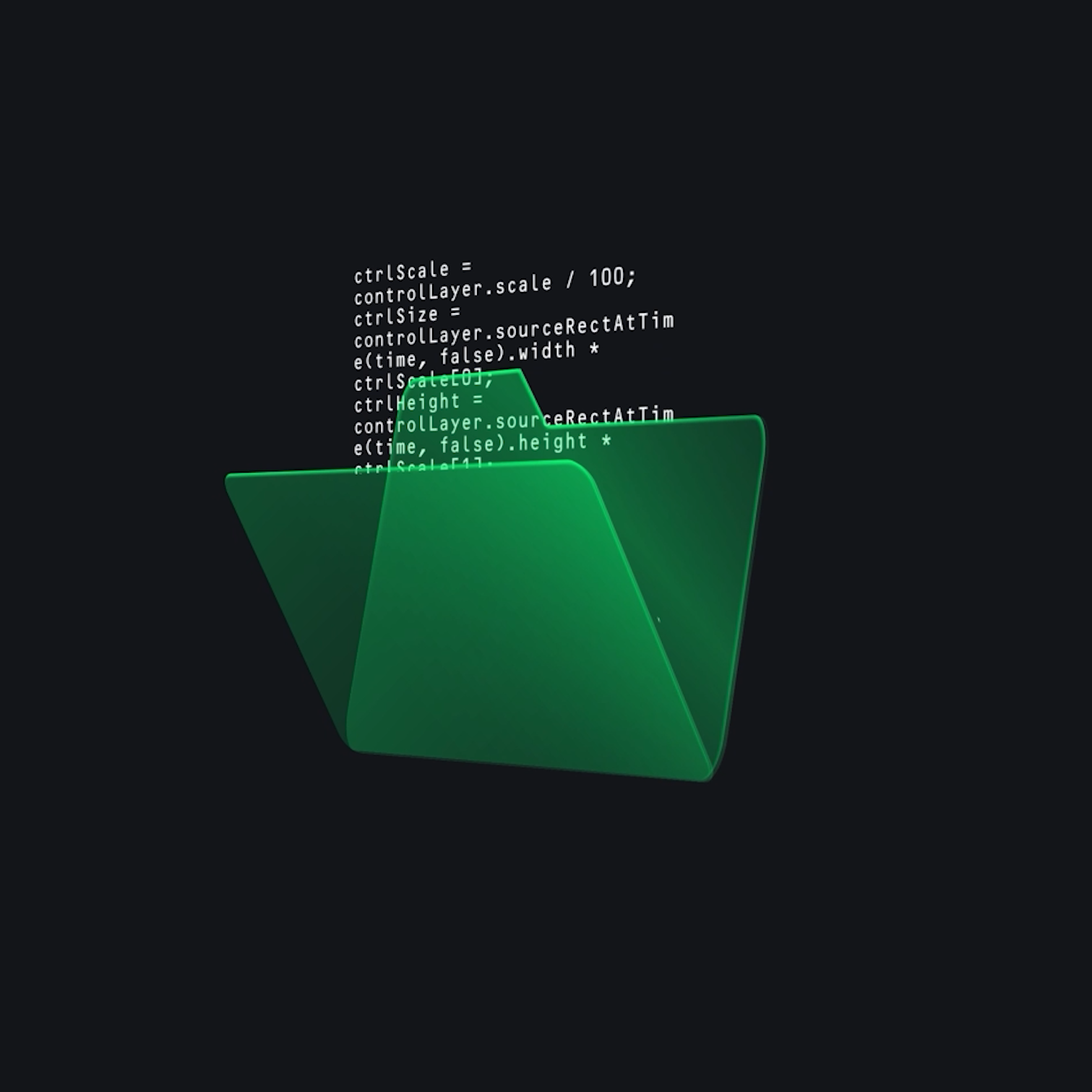
In 2020, I created a fully functional cryptocurrency using Python and JSON, but this was more than a technical experiment, it was a fine art exploration of scarcity, value, and perception. Every aspect of the system, from generating wallets to logging transactions and even mining coins, was designed to function as a real, operational network, while simultaneously questioning the meaning we assign to digital assets.
The project exists at the intersection of code, economics, and conceptual art, demonstrating how technology can be leveraged not just for utility, but for provoking thought and challenging assumptions. It’s a system you can interact with, mine, and trade on, yet it carries the conceptual weight of a sculptural piece: scarcity and value are encoded both in the software and in the ideas it represents.
For me, this work showed how design and code can blur into philosophy, where building a working product also becomes a statement about culture, ownership, and the strange economies we create.
Technica has been one of the most ambitious and experimental projects I’ve created for Shoyoroll. A long-term series that’s evolved through three distinct forms, each reflecting both the growth of the sport and the way its community consumes culture.
The first phase was a 50-issue web zine, dedicated to documenting and exploring jiu jitsu techniques in a way that was raw, direct, and archival. It built a foundation of knowledge and identity while proving that the community was hungry for deep, thoughtfully presented content. The second evolution capitalized on the rise of Instagram Reels, transforming Technica into a video series of over 70 episodes.
Now in its third form, Technica has expanded into an immersive world-building project aimed at sharpening athletes’ mental edge. This version moves beyond technique into psychology and culture, creating a layered experience that includes tokens, structured lessons, and even a constructed language. It’s not just media anymore, it’s a fictionalized, gamified training universe designed to challenge the way athletes think about performance and mindset.
Technica represents the power of iteration and reinvention. What began as a niche zine has become a cultural platform, a community touchstone, and now an experimental world that pushes the boundaries of how athletes engage with their craft.
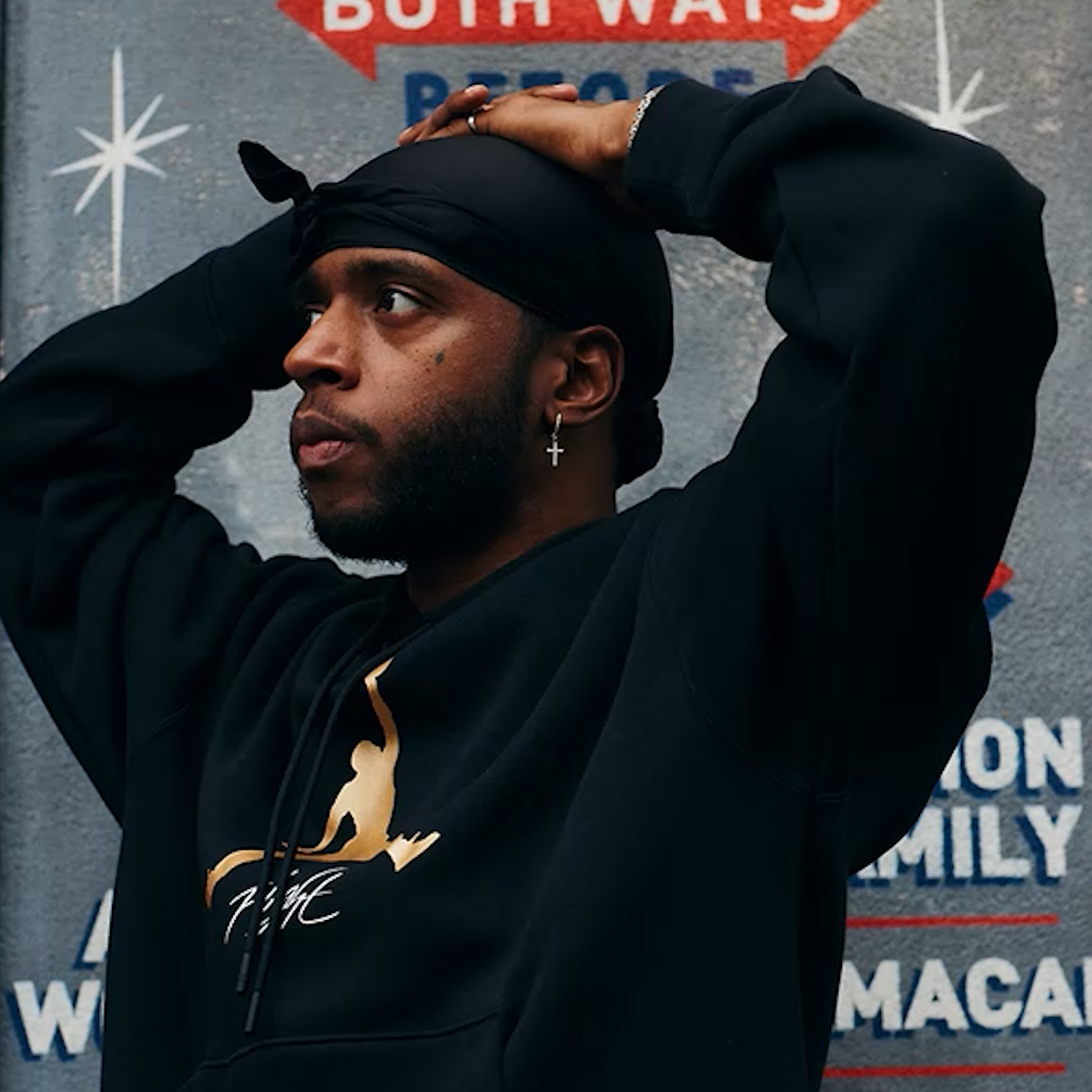
In 2024 I directed a Jordan Brand campaign shoot with the rapper 6lack and his daughter in Atlanta, marking my first time directing solo, and doing so with a major talent. The project carried weight not just because of the brand and the artist, but because of the intimacy of the story we were telling: a father and daughter, captured through the lens of style, culture, and authenticity.
Balancing the scale of the content with the need for personal, human storytelling was the challenge I embraced. It required me to take full ownership of the shoot. Managing the creative direction, working closely with 6lack and his team, and ensuring that the campaign visuals delivered both cultural credibility and emotional resonance.
The experience was a turning point: proof that I could lead at the highest level, guide a major talent with confidence, and translate vision into imagery that served both the brand and the moment.
NetPro Sans is my third completed typeface design, a project I describe as a "Pure Typeface." Brutalist in philosophy and execution, it draws inspiration from the material clarity of Richard Serra’s sculptural work-forms that exist without apology, stripped of ornament, reduced to essential presence. The typeface is built around uncompromising geometry and proportion, a rejection of stylistic flourish in favor of raw typographic structure.
The design process involved a highly technical approach, where specimen analysis became less about decorative testing and more about stress evaluation: kerning tables under maximal compression, optical weight distribution, and the durability of letterforms under scale shifts. In this sense, NetPro Sans is not just a typeface but a study in endurance-typography that resists erosion by trend, operating as a structural system rather than a stylistic gesture.